
Project planning guide
Acreage Mowing vs. Bush Hogging
Not every field needs the same cut. Compare routine acreage mowing with rough cutting so your request matches the growth and finish you have in mind.
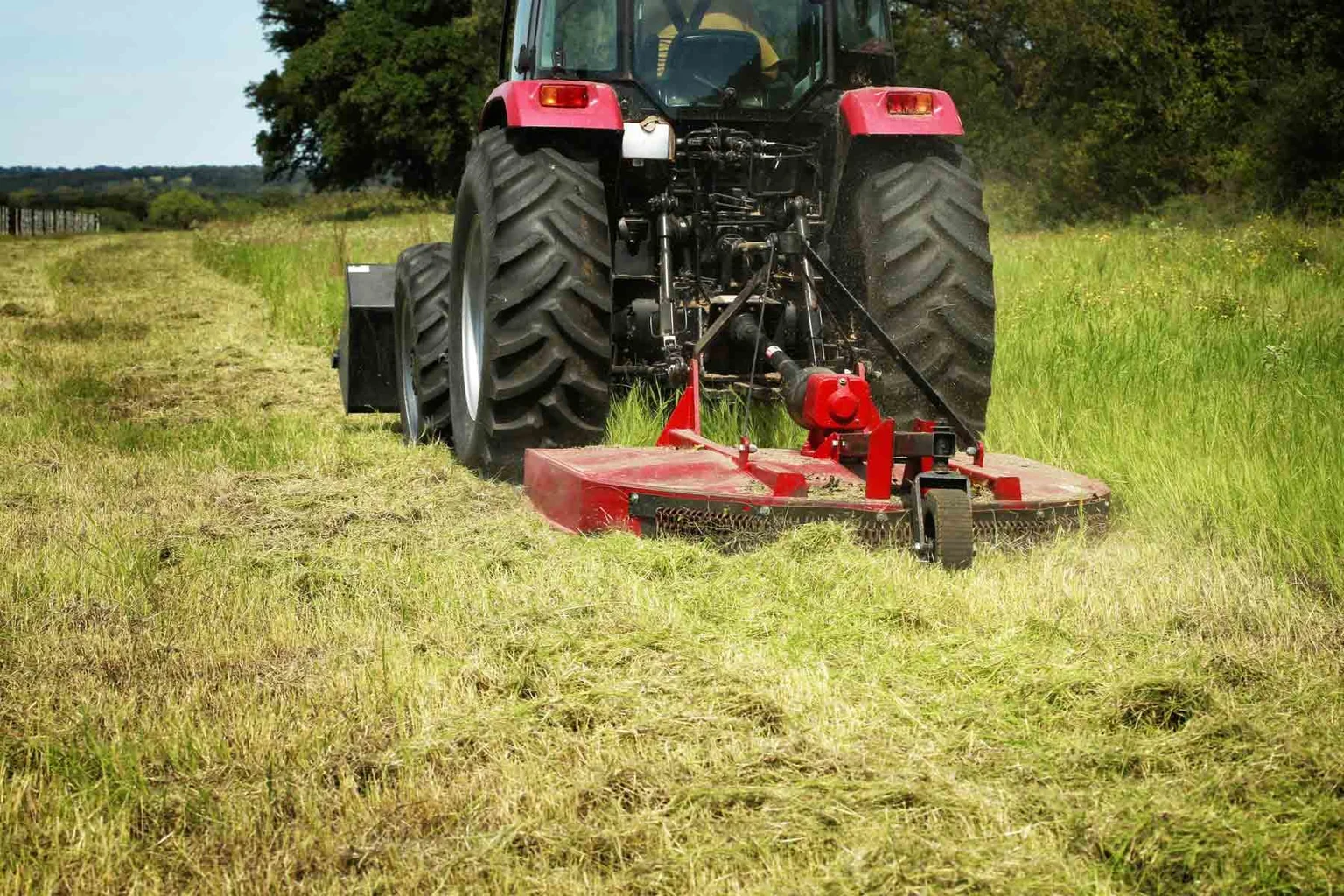
Plan the first cut before comparing prices
Describe the ground, growth and finish you want. Build a short brief to copy into your estimate request; equipment and access still need an operator’s assessment.
No per-acre price or machine capability is assumed. Do not walk into dense growth to measure it. Mark exclusions on a property map from a safe location.
Your starting checklist
- Mark the actual cutting area separately from woods, ponds, structures and areas to retain.
- Provide the property address, entrance location, approximate mowable acres and date of the last cut.
Your selections stay in this page. They are not submitted with the estimate form automatically. Copy the brief into your request when you are ready.
Request an estimate →Content updated
The right service depends on vegetation and the finish you want. Acreage mowing usually maintains known open ground; bush hogging is rough cutting for taller growth. Neither term alone defines the machine or the full scope.
Match the method to the starting condition
| Service | Typical planning goal | Clarify before booking |
|---|---|---|
| Acreage mowing | Maintain accessible open areas | Height, trim work, clippings |
| Bush hogging | Reduce tall grass and suitable brush | Stem size, obstacles, rough finish |
| Cleanup | Remove debris and reclaim access | Hauling, disposal, specialist work |
| Forestry or tree work | Address growth beyond mowing scope | Separate assessment and equipment |
Describe the result in plain language
Say whether you need an accessible field, a maintained frontage, a grazing-management cut, or preparation for a later project. A rough cut can leave chopped material and stubble; a lawn-like appearance can require additional steps.
Keep equipment selection with the operator
Share terrain, gates, obstacles, and representative growth photographs. Equipment capability is specific to the machine and conditions. Do not choose a service solely because a listing says it can cut a certain number of acres per hour.
Measure the same area for every proposal
Use the mowable-acre planner. Mark excluded woods, ponds, structures, and buffers. A consistent map makes both initial and repeat prices easier to compare.
A field with two finish standards
Imagine a property with a maintained entrance and a rear field that has not been cut recently. Asking for “five acres mowed” leaves out the most important distinction. Mark the entrance as a finish-mowing zone and the rear field as a rough-cut zone. Separate woods, water and retained vegetation from both. This is a planning example, not a description of a completed job.
Ask each bidder to use the same map and specify:
- Which zones are included in the first visit.
- Whether edge trimming and clippings are included.
- What happens if wire, dumped material or unsuitable woody growth is found.
- Whether the return visit assumes the first cut is already complete.
Davidson County cleanup is not the same as curbside collection
If the scope includes hauling, agree on disposal before work begins. Metro Nashville says commercial tree and landscaping waste must be disposed of by the company rather than left for Metro collection. Do not assume a pile from paid cleanup can simply be placed at the road. See Metro’s brush and yard-waste guidance. This source covers Davidson County; confirm the relevant service rules elsewhere.
Ask for two scopes when reclaiming neglected ground
A first visit may involve assessment, access clearing or separate debris work. Recurring mowing starts from a different condition. Ask for an initial scope and a maintenance scope rather than treating the first quote as a standing per-acre rate. Use the brief above with the mowable-acre budget worksheet.
The mowing operator will assess access, ground conditions and what the equipment can cut before agreeing to the work. About this site.